Description
Professional Welding Gloves Supplier in Pakistan | Tough Safety Weras
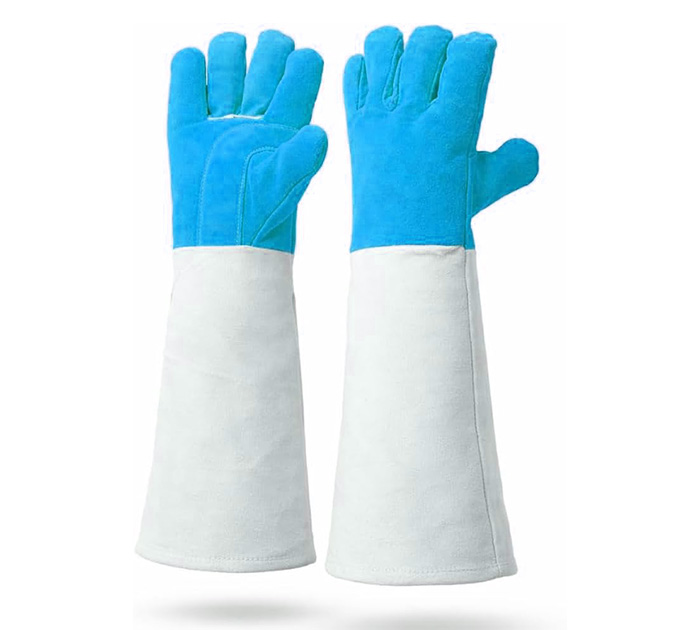
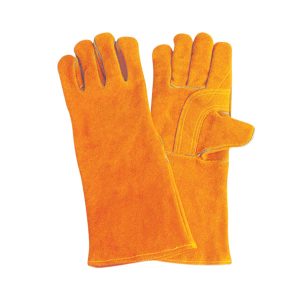
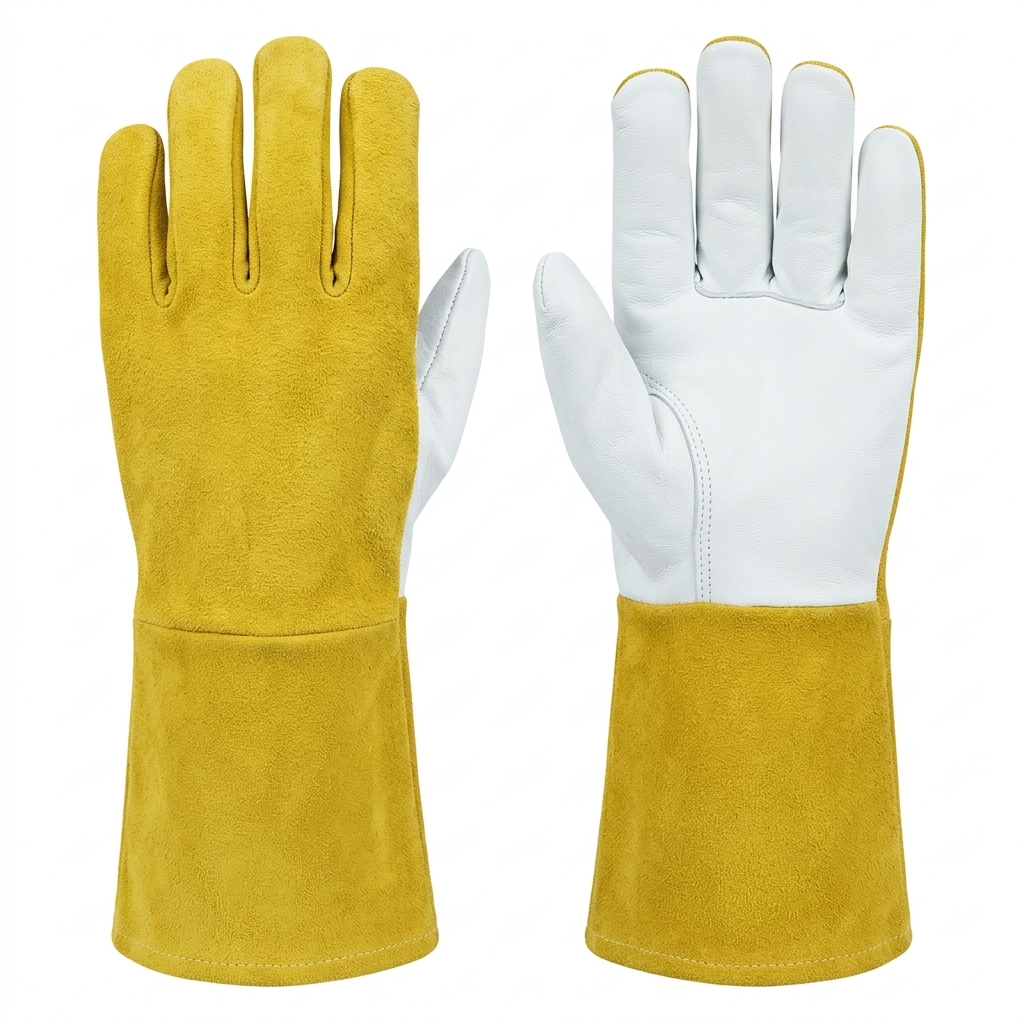
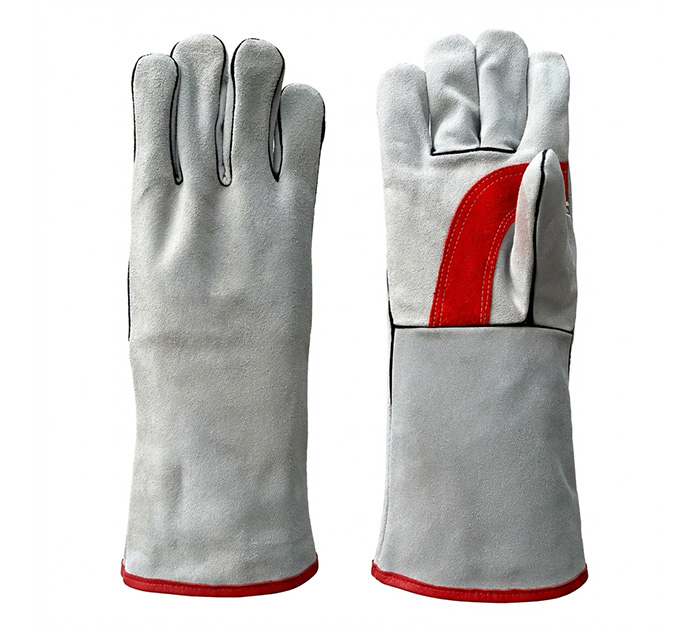
As a premier Welding Gloves Supplier, Leather Welding Gloves Manufacturer, and global OEM Welding Gloves Manufacturer, Tough Safety Wears specializes in engineering heavy-duty, high-performance personal protective equipment (PPE) for demanding industrial sectors. When global sourcing agents, industrial distributors, and procurement managers seek a reliable partner, they require a Private Label Welding Gloves expert capable of delivering top-tier Wholesale Welding Gloves, Leather Work Gloves, Rigger Gloves, Driver gloves, Assembly Gloves, that conform to stringent international protective standards. Our premium manufacturing facility produces top-grade Cow Split Leather Welding Gloves, heavy-duty Split Leather Welding Gloves, and high-insulation Heat Resistant Welding Gloves reinforced entirely with Kevlar Stitched Welding Gloves configurations to ensure optimal resistance against sparks, extreme temperatures, and mechanical abrasions. By combining elite material selection, strict quality control protocols, and flexible manufacturing volumes, we serve as the foundational supply chain backbone for safety distributors worldwide, guaranteeing that every pair of Heavy Duty Welding Gloves leaving our floor delivers uncompromising safety, durability, and dexterity. Our comprehensive production process incorporates premium raw materials sourced from sustainable tanneries, cutting-edge cutting and sewing technologies, and multi-tier quality inspection procedures to ensure that our products consistently exceed expectations on the factory floor, shipyard, or construction site. Whether you are looking to scale an established safety brand through tailored private labeling or stocking your regional distribution warehouse with high-demand safety gear, our end-to-end manufacturing solutions provide the competitive pricing, reliable lead times, and certified quality parameters your business requires to thrive in today’s competitive industrial marketplace.
The Critical Role of High-Performance Welding Gloves in Modern Industry
Industrial welding processes involve some of the most hazardous working conditions in the manufacturing and construction sectors. Workers are regularly exposed to open flames, electric arcs, intense radiant heat, flying sparks, and sharp metal edges. In this high-risk environment, generic industrial work gloves are completely inadequate. Specialized welding gloves are a mandatory line of defense, serving as a multi-functional barrier that prevents debilitating injuries while preserving the fine motor skills required to lay precise weld beads.
As automated fabrication and manual welding operations expand globally, the demand for certified, heavy-duty protective handwear continues to climb. Companies are under increasing regulatory pressure from organizations like OSHA in the United States and the European Agency for Safety and Health at Work to minimize workplace injuries. Investing in premium leather welding gloves is not just a regulatory checkbox; it is a strategic business decision that reduces worker compensation claims, minimizes downtime, and boosts overall workforce morale and productivity.
Different welding techniques demand distinct performance characteristics from protective gloves. For instance, Metal Inert Gas (MIG) and Shielded Metal Arc Welding (SMAW or Stick welding) generate substantial amounts of spatter and high radiant heat, necessitating thick, dense leather construction with comprehensive thermal linings. Conversely, Tungsten Inert Gas (TIG) welding requires exceptional precision and torch control, dictating thinner, highly flexible leathers like goatskin or grain cowhide. Understanding these technical nuances is what differentiates a standard vendor from a highly specialized manufacturer like Tough Safety Wears. We customize every product line to match the specific thermal and mechanical stresses of the target application.
Comprehensive Breakdown of Premium Leather Materials
The performance of any industrial welding glove is fundamentally determined by the quality and type of leather used in its construction. Leather is uniquely suited for welding applications due to its natural cellular structure, which provides inherent flame resistance, excellent thermal insulation, high tensile strength, and remarkable puncture resistance.
1. Cow Split Leather (The Industry Workhorse)
Cow split leather is derived from the lower layers of a cowhide after the top-grain has been separated. This material is highly favored in the manufacturing of heavy-duty welding gloves due to its exceptional abrasion resistance and natural ability to withstand high temperatures without hardening or shrinking prematurely. The fibrous texture of split leather provides an excellent grip on oily or smooth metallic surfaces, making it the ideal choice for demanding Stick and MIG welding applications where rough handling is common.
2. Premium Top-Grain Leather
Top-grain leather represents the outermost layer of the hide, offering a smooth finish, superior flexibility, and natural water and oil resistance. While slightly less heat-resistant than dense split leather, top-grain leather is highly valued for its superior tactile sensitivity and dexterity. It is frequently utilized in the construction of TIG welding gloves and premium MIG gloves where operators must adjust machine settings, handle filler rods, and maintain steady torch movements over extended periods.
3. Specialty Exotic Leathers (Goatskin, Deerskin, and Pigskin)
To accommodate specific industrial requirements, manufacturers integrate alternative leather types into their product lines:
-
Goatskin: Exceptionally durable relative to its weight, offering unmatched tensile strength and flexibility for precision TIG welding.
-
Deerskin: Provides an ultra-soft, luxurious fit that molds to the welder’s hand, offering maximum comfort and reducing hand fatigue during long shifts.
-
Pigskin: Retains its softness and pliability even after exposure to moisture and wet working conditions, making it excellent for outdoor construction and damp fabrication environments.
Structural Engineering and Thermal Insulation Standards
A premium welding glove is far more than two pieces of leather sewn together; it is an engineered protective system featuring complex multi-layered insulation and ergonomic structural zoning.
+------------------------------------------------------------+
|                OUTER SHELL: Premium Cow Split Leather      |
|  +------------------------------------------------------+  |
|  |             INSULATION: Flame-Retardant Foam / Cotton |  |
|  |  +------------------------------------------------+  |  |
|  |  |          LINING: Moisture-Wicking Soft Jersey  |  |  |
|  |  +------------------------------------------------+  |  |
|  +------------------------------------------------------+  |
+------------------------------------------------------------+
Multi-Layer Thermal Linings
To safeguard workers against convective and radiant heat, industrial gloves utilize advanced internal lining configurations:
-
Aluminized Backing: Used in extreme-heat environments to reflect radiant heat away from the back of the hand.
-
Flame-Retardant Foam Insulation: Provides a thick thermal cushion that dampens heat transfer during high-amperage welding.
-
Jersey & Cotton Linings: Offer comfort, sweat absorption, and moderate thermal protection, ideal for everyday fabrication tasks.
Ergonomic Design and Physical Construction
Every seam, stitch, and reinforcement panel must be meticulously planned to eliminate structural vulnerabilities:
-
Wing Thumb vs. Straight Thumb: The wing thumb design eliminates seams from the wear-prone palm area, improving comfort and extending glove lifespan.
-
Reinforced Palm and Thumb Crotch: Friction-heavy zones are fortified with secondary leather patches to prevent premature wear and puncture failures.
-
Extended Gauntlet Cuffs: Heavy-duty cuffs extending up to 14 or 16 inches provide essential protection for the welder’s forearms against flying sparks and hot slag.
The Critical Importance of Kevlar® Stitching
Standard nylon or cotton threads melt rapidly when exposed to the direct sparks and intense heat generated during industrial welding. When a glove’s seams fail, the entire structure collapses, exposing the operator’s hands to severe burns and injuries. For this reason, high-quality safety gear relies exclusively on Kevlar Stitched Welding Gloves.
Kevlar®, an advanced aramid fiber developed by DuPont, possesses extraordinary tensile strength, inherently high flame resistance, and a very high melting point (exceeding 800°F / 427°C). By sewing leather panels together with heavy-duty Kevlar thread, Tough Safety Wears ensures that the structural integrity of the glove remains completely intact under continuous thermal assault. Furthermore, Kevlar thread exhibits exceptional resistance to cuts and abrasions, preventing the seams from tearing open when handling sharp steel plates, threaded pipes, or rough cast iron components.
Global Compliance, Certifications, and Quality Assurance
In the international industrial safety marketplace, compliance with recognized certification frameworks is non-negotiable. Distributors and corporate safety officers cannot rely on unsubstantiated claims; they require empirical verification that personal protective equipment will perform predictably under extreme stress.
EN 388: Protective Gloves Against Mechanical Risks
This European standard evaluates the glove’s performance across four core physical parameters, assigning a rated score for each:
-
Abrasion Resistance: The number of cycles required to abrade through the sample leather.
-
Blade Cut Resistance: The number of continuous cycles required to cut through the material at a constant speed.
-
Tear Resistance: The level of force required to propagate a tear in a pre-cut sample.
-
Puncture Resistance: The amount of force required to pierce the leather with a standardized steel point.
EN 407: Protective Gloves Against Thermal Risks
Crucial for welding applications, EN 407 defines the product’s performance against thermal hazards:
-
Burning Behavior: Measures how long the material continues to flame or glow after the ignition source is removed.
-
Contact Heat Resistance: Determines the temperature range (from 100°C to 500°C) at which the user feels no pain for at least 15 seconds.
-
Convective Heat Resistance: Measures the glove’s ability to delay heat transfer from an open flame.
-
Radiant Heat Resistance: Assesses how effectively the glove reflects intense heat waves without structural degradation.
-
Resistance to Small/Large Splashes of Molten Metal: Evaluates the number of molten metal droplets required to raise the glove’s internal temperature to a critical threshold.
ISO 9001:2015 Manufacturing Standards
At Tough Safety Wears, our production facilities operate under strict ISO 9001:2015 Quality Management Systems. This ensures rigorous control over raw material procurement, regular calibration of cutting and stitching machinery, extensive training for assembly personnel, and systematic random batch testing to eliminate defects before shipment.
Comprehensive Wholesale and Supply Chain Enterprise Solutions
Navigating the global supply chain for industrial safety products requires a manufacturing partner that understands bulk logistics, import/export regulations, and inventory consistency. Tough Safety Wears provides comprehensive services to simplify procurement for global clients.
[ Raw Material Quality Sourcing ]
               │
               ▼
[ Precision Cutting & Multi-Layer Assembly ]
               │
               ▼
[ Rigorous Quality Control Testing ]
               │
               ▼
[ Custom OEM / Private Label Branding ]
               │
               ▼
[ Global Wholesale Logistics & Compliance ]
Streamlined Logistics and Inventory Management
We offer optimized shipping solutions for full container loads (FCL) and less-than-container loads (LCL), coordinating closely with international freight forwarders to ensure customs compliance and on-time delivery. Our streamlined production planning allows safety distributors to maintain lean inventory levels, confident that their reorders will be filled quickly and precisely.
Tailored OEM and Private Label Manufacturing
We understand that building brand equity is crucial for industrial safety distributors. Through our Private Label Welding Gloves service, we provide comprehensive customization options:
-
Custom Brand Embossing: Heat-stamping or silk-screening your corporate logo directly onto the leather cuff for prominent visibility.
-
Bespoke Material Specifications: Tailoring the thickness, color, and lining composition of the gloves to satisfy unique regional market requirements or specialized industrial applications.
-
Custom Packaging and Barcoding: Developing retail-ready header cards, branded polybags, and pre-printed UPC/EAN barcodes to streamline warehousing and retail distribution.
In-Depth Maintenance, Care, and Lifespan Maximization Guide
To maximize value and ensure ongoing worker protection, industrial facilities should implement proper care and maintenance protocols for their leather safety gear.
1. Proper Storage Practices
Leather is a natural material that degrades if exposed to prolonged moisture, extreme dryness, or direct sunlight. Gloves should be stored in a cool, dry, well-ventilated warehouse environment away from direct heat sources and chemical vapors. Hanging gloves by their cuffs helps maintain their structural shape and allows internal moisture from sweat to evaporate efficiently.
2. Cleaning and Decontamination
Water can strip natural oils from leather, causing it to become stiff and brittle upon drying. Therefore, washing leather welding gloves is generally not recommended. Instead, surface dirt, slag dust, and metal filings should be brushed off regularly using a stiff-bristled brush. For oily or greasy contaminants, specialized leather cleaners may be applied sparingly with a damp cloth, followed by air drying at room temperature away from direct artificial heat.
3. Systematic Inspection Protocols
Safety managers should train workers to inspect their welding gloves before every shift. Key red flags indicating that a glove must be immediately decommissioned and replaced include:
-
Exposed Seams: Any unraveling or broken Kevlar stitching that exposes underlying layers.
-
Thinning Leather: Severe abrasion spots, especially in the palm or thumb crotch, that compromise puncture and thermal resistance.
-
Hardening or Charring: Areas where the leather has become brittle due to intense heat exposure, significantly reducing manual dexterity and increasing crack risks.
Detailed Comparative Analysis: Selecting the Optimal Glove for Every Welding Technique
Frequently Asked Questions (FAQs) – Comprehensive Safety & Sourcing Guide
Q1: Why should I choose Tough Safety Wears as my wholesale welding gloves supplier?
A: Tough Safety Wears is a premier Leather Welding Gloves Manufacturer with decades of specialized experience in industrial safety gear. We offer vertically integrated manufacturing, certified compliance with EN 388 and EN 407 standards, robust OEM Welding Gloves Manufacturer capabilities, competitive wholesale pricing tiering, and rigorous quality control. This ensures every batch of safety gloves delivers consistent protection and structural durability to your industrial clients.
Q2: What are the primary advantages of cow split leather welding gloves over top-grain alternatives?
A: Cow Split Leather Welding Gloves offer superior abrasion and thermal insulation performance due to the dense, fibrous structure of the lower hide. They are highly resistant to the heavy spatter and rough handling typical of Stick and heavy MIG welding. Top-grain leather is smoother and more flexible, making it better suited for applications requiring high tactile dexterity, such as precision TIG welding.
Q3: Why is Kevlar stitching mandatory for heavy-duty welding gloves?
A: Standard cotton or synthetic threads burn, melt, and snap instantly when targeted by high-temperature welding sparks and molten metal spatter. Kevlar Stitched Welding Gloves maintain structural seam integrity up to 800°F (427°C). This ensures that the structural panels do not separate during intense operational use, protecting workers from catastrophic thermal exposure.
Q4: Do you offer custom private label welding gloves for safety brands?
A: Yes, we are a leading provider of Private Label Welding Gloves. We offer comprehensive OEM and ODM personalization options, including high-definition heat embossing or silk-screen branding of your company logo on the gauntlet cuffs, custom color matching, altered cuff dimensions, and custom retail packaging with integrated barcodes.
Q5: What is the minimum order quantity (MOQ) for wholesale purchasing?
A: Our standard Minimum Order Quantity for Wholesale Welding Gloves varies based on the specific material choices and customization requirements. Generally, our bulk production runs start at 1,000 pairs per style. This volume allows us to optimize raw material usage and manufacturing efficiency, enabling us to pass substantial cost savings directly down to our global distribution partners.
Q6: How does Tough Safety Wears ensure consistent leather quality across massive production runs?
A: We partner exclusively with premium, certified tanneries that adhere to strict environmental and quality regulations. Every incoming batch of split leather undergoes rigorous inspection for thickness uniformity, tensile strength, moisture content, and surface consistency. Defective hides are rejected immediately, ensuring only premium materials enter our automated cutting lines.
Q7: Which specific certifications do your heavy-duty welding gloves carry?
A: Our premium industrial safety gloves are fully certified under applicable global regulatory frameworks, including European Standards EN 388 (for comprehensive mechanical risks such as abrasion, cut, tear, and puncture) and EN 407 (for thermal performance against burning behavior, contact heat, convective heat, and molten metal splashes). Full documentation and testing certificates are available upon request for verification.
Q8: Can you develop customized leather welding gloves for highly specialized industrial tasks?
A: Absolutely. As an experienced OEM Welding Gloves Manufacturer, we work closely with your procurement and safety engineering teams to design and manufacture bespoke gloves. We can add specialized structural reinforcements, adjust cuff lengths up to 18 inches, integrate advanced aluminized heat shields, or use specialized exotic leathers to meet your exact application demands.
Q9: What is the typical production and shipping lead time for a standard container order?
A: For standard bulk wholesale orders, our typical manufacturing turnaround time ranges from 30 to 45 days following order confirmation and deposit approval. Ocean transit times vary depending on the destination port, usually requiring an additional 15 to 35 days. We provide comprehensive logistical tracking and coordinate directly with your freight forwarder to ensure smooth customs clearance.
Q10: How do I select the proper size welding gloves for my workforce to ensure maximum safety?
A: Correct sizing is vital to ensure both user safety and structural longevity. Gloves that are too tight cause hand fatigue and stress seams prematurely, while overly loose gloves compromise dexterity and increase the risk of catching on machinery. Tough Safety Wears produces a standardized global sizing matrix ranging from Small (Size 8) up to Extra-Large (Size 11/12), conforming precisely to international EN 420 sizing guidelines.
Q11: What type of internal lining provides the best protection against extreme thermal conditions?
A: For high-amperage applications like heavy industrial Stick and MIG welding, a combination of thick flame-retardant foam insulation and a soft cotton jersey inner lining provides optimal protection. This multi-layer architecture creates an effective thermal barrier that slows heat transfer to the skin while absorbing hand sweat, ensuring user comfort over long shifts.
Q12: How do your split leather welding gloves handle exposure to moisture and grease?
A: While split leather is inherently durable, prolonged exposure to water can strip its natural oils, causing it to stiffen upon drying. For wet or greasy environments, we recommend our specialized treated leather lines or pigskin welding gloves, which possess a unique pore structure that allows the material to dry soft and pliable without losing its structural shape or protective qualities.
Q13: What payment terms does Tough Safety Wears offer to international corporate buyers?
A: We offer flexible and secure international payment structures tailored to build long-term trading partnerships. Our standard terms for initial bulk orders include a 30% T/T deposit prior to material sourcing and manufacturing commencement, with the remaining 70% balance payable upon presentation of the Bill of Lading (B/L) and final pre-shipment quality inspection reports.
Q14: Can you provide sample pairs for corporate evaluation and field testing before ordering?
A: Yes, we recognize that safety managers and procurement teams must verify product performance through real-world testing. We provide sample pairs of our standard Split Leather Welding Gloves and Heat Resistant Welding Gloves for quality evaluation. Contact our global sales team with your exact specifications to arrange shipment of sample packages.
Q15: How does a wing thumb design improve the durability of an industrial welding glove?
A: The wing thumb design features an angled construction that aligns naturally with the hand’s resting anatomy. This eliminates seams at the base of the thumb—a major stress point prone to friction, heat exposure, and mechanical failure. By moving the seams away from this high-wear zone, the wing thumb design enhances flexibility and extends the operational lifespan of the glove.
Q16: What measures does Tough Safety Wears implement to promote sustainable and ethical manufacturing?
A: We are deeply committed to ethical, transparent, and legally compliant manufacturing processes. Our factories strictly enforce fair wages, safe and ergonomic working conditions, and complete prohibition of forced or underage labor. Furthermore, we source materials from modern tanneries utilizing closed-loop water treatment systems and eco-friendly leather processing agents to minimize our environmental footprint.
Q17: Why is a long gauntlet cuff essential for heavy-duty industrial welding applications?
A: Extended gauntlet cuffs—typically measuring between 14 to 16 inches—provide crucial protection for the wrist and lower forearm. During operations like overhead welding, heavy sparks, slag, and radiant heat travel downward. The extended rigid cuff acts as an impenetrable shield, preventing burning debris from dropping into the sleeve of the welder’s protective jacket.
Q18: Can your industrial leather safety gloves be utilized for non-welding applications?
A: Yes, due to their robust construction and multi-layer shielding, our Heavy Duty Welding Gloves perform exceptionally well across a wide array of high-risk applications. They are regularly deployed in heavy material handling, foundry operations, metal smelting, glass manufacturing, blacksmithing, plasma cutting, and commercial oven management where extreme heat and abrasion are common.
Q19: What is the most effective way to clean slag and dust off leather welding gloves?
A: Welding gloves should be cleaned using dry maintenance methods. Operators should use a stiff-bristled wire or nylon brush to remove surface slag dust, metal filings, and dry soot after every shift. Do not submerge leather gloves in water or use harsh chemical solvents, as this degrades the leather’s cell matrix, causing it to harden, crack, and lose its thermal defense capabilities.
Q20: How do I request a formal wholesale quotation for my industrial supply company?
A: Requesting a comprehensive quote is simple. Visit our official website contact page at www.toughsafetywears.com or email our sales department directly at sales@toughsafetywears.com. Provide detailed information regarding your desired glove styles, material configurations, order volumes, private label branding requirements, and destination port. Our international accounts team will deliver a comprehensive, itemized quotation within 24 business hours.
Conclusion and Long-Term Strategic Sourcing Advice
Securing an uncompromising supply chain for personal protective equipment is a primary requirement for any successful industrial safety company, distributor, or wholesaler. The risks associated with substandard safety gear are far too high—ranging from devastating workplace accidents to brand-destroying product failures. By partnering with a dedicated, expert Welding Gloves Supplier and manufacturer like Tough Safety Wears, your company gains access to a world-class production infrastructure that prioritizes user safety, exceptional craftsmanship, and absolute regulatory compliance.
Our comprehensive selection of Split Leather Welding Gloves, Cow Split Leather Welding Gloves, and precision-engineered Heat Resistant Welding Gloves are built to survive the harshest industrial testing fields. Every stitch of high-tensile Kevlar thread, every layer of thermal insulating lining, and every square inch of select cowhide is optimized to deliver peak performance under high-amperage welding conditions. As you look to expand your market footprint and provide your customers with reliable hand protection, our robust OEM and private label programs give you the creative freedom and manufacturing reliability required to stand out in a crowded market.
Take the next step in optimizing your industrial hand protection portfolio. Explore our complete line of certified safety equipment at www.toughsafetywears.com, review our comprehensive technical parameters, and partner with Tough Safety Wears—where elite engineering, premium leather materials, and dedication to workplace safety converge to protect the industrial workforce of tomorrow. If you have any requirements, contact: sales@toughsafetywers.com